
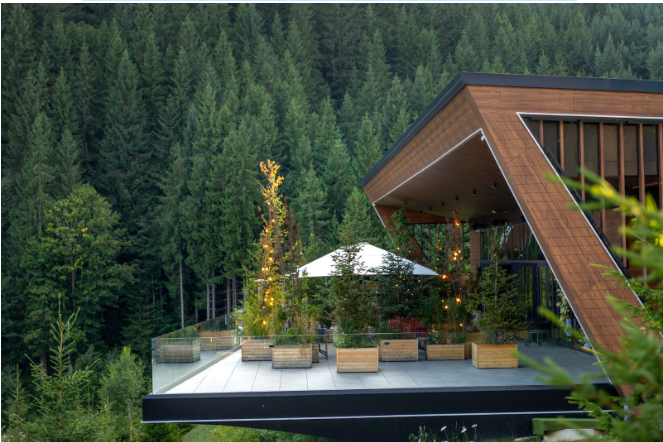

One of the most interesting home projects that families do is a treehouse. It does not only serve as a playground to children but also as a relaxing retreat or workstation to adults. Nevertheless, a good treehouse should be planned, should be safe, and should be a work of imagination. A treehouse can be safe and fashionable with the correct design that helps it to fit into the outside environment of your home. Here’s how to do it right.
1. Choose the Right Tree for a Strong Foundation
The right choice of a tree is the first and the most critical step. Take a tree of good age and well brought up, with deep roots and with a stout trunk; such as oak, maple, and beech trees, they are good ones to take. The ones to avoid are trees that are diseased or have holes or dead branches.
The tree should be strong to sustain the weight of both the structure and the people using it. Before you start constructing treehouses a professional arborist can inspect the tree to make sure that it is safe and fit.
2. Plan a Safe and Functional Design
When you have settled on your tree, design it. Remember the natural growth of the tree; do not cut off big branches or limit the movements. The design must contain a well-built platform, solid railings, and convenient exits such as a staircase or ladder.
Safety is key. There should always be barriers in open areas, and ensure that all materials should be weather-resistant. A practical design must exercise the right balance between play and practicality, such that both kids and adults can enjoy the space.
3. Use Quality Materials for Stability
Your treehouse can either be built or destroyed by what you use to build it. Long durability would be achieved with pressure-treated wood, stainless steel bolts, and weatherproof screws. Do not drill nails into the trunk of the tree; this may damage the health of the tree.
Select materials that are light in weight and strong so as not to overweigh the tree. The way to improve style is to use natural wood finishes, decorative trim, or painted decorations that reflect your backyard look without damaging your structure.
4. Focus on Safety Features
The treehouse must be safe for children and adult-friendly. Install railings that are at least 36 inches high; steps should have non-slip surfaces, and doors and windows should open easily.
Falls risking injuries can be mitigated by using soft landing zones such as grass, mulch, or rubber mats beneath the treehouse. The loose boards, sharp edges, and jutting screws should always be checked before anyone is permitted to climb up. Scheduled refurbishment will ensure that the structure lasts for years.
5. Add Stylish and Personalized Touches
A treehouse can be useful and aesthetic. Add windows to get natural light, curtains to get privacy, or a little balcony to see the scenery. You can paint it with colorful and joyful ones or make rustic finishes to create the warm atmosphere of a cabin.
Indoors, it should be decorated with comfortable cushions, lights, or a theme-based decoration, such as pirate ships or fairy castles, depending on who will utilize it the most. These homemade additions make a plain treehouse a fantasy of a relaxation and fun hideout.