
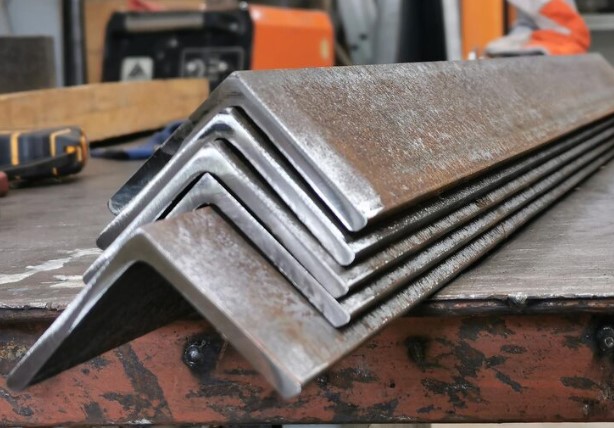

A metal angle, also known as a steel angle, is an L-shaped metal profile with two legs that meet at a 90-degree angle. These angles’ primary purpose is to provide stability and strength across various industries.
They come in different qualities of metal and have different shapes. Each depends upon the purpose they are used for. The most common materials are aluminum, stainless steel, and galvanized steel. These steels are mild steel, also called low-carbon steel. There are many more things to learn about metal angles, so let’s explore them more below.
Types of Metal Angles
Metal angles usually come in two types: equal-angle and unequal-angle. An equal angle has two legs with the same width and thickness. Equal metal angles are widely used for their stretch and stability.
On the other hand, unequal angles have one leg longer than the other. These angles are used when you need to support something more on one side, for example, supporting ledges, shelves, and awning frames.
Benefits of Metal Angle
We know that metal angles come in different types and each of them has its own benefits. Metal angle shapes are specifically built to provide strength to any structure or framework. Using a straight metal stick can always cause the structure to bend and become unstable, but the L-shaped metal angle prevents the metal from bending or twisting.
When manufacturing these metal angles, they do not need to be heavier to support heavy loads because the structure can support solid weight, helping the manufacturer save money. These metals are versatile because cutting, drilling, or welding is easy on them.
Common Applications
We know that each industry uses metal for any kind of manufacturing, and these industries also use metal angles. In terms of stability and support, metal angles play a huge role in different manufacturing industries such as automotive, construction, and furniture as well.
If we talk about construction, then they are used as roof framing, structural lintels, and wall reinforcement. These metals are also used in building industrial machines such as material for conveyor systems, machine frames, and equipment base frames.
In home improvement, there are several places where metal angles are used. If you have a study corner, then the table must use these metal angles for stability and support. Besides that, these angles are used in custom brackets, workbench frames, and storage shelving.
Corrosion Resistance
When you want to purchase a metal angle, you must seek material which is resistant to corrosion. If we talk about mild steel angles, they are the most affordable and stable ones but catch corrosion at an early stage. So, always use primer or paint on it so it can be protected.
Stainless steel angles contain chromium, which is why they never rust. They are used in kitchen equipment, chemical factories, and heavy-duty marine projects. Aluminum angles are also available and are lightweight and corrosion-resistant. They are used for light support and decor.
The galvanized steel angle has a coating of zinc, which stops it from corroding. SO they are used in outdoor projects and in rainy areas.