
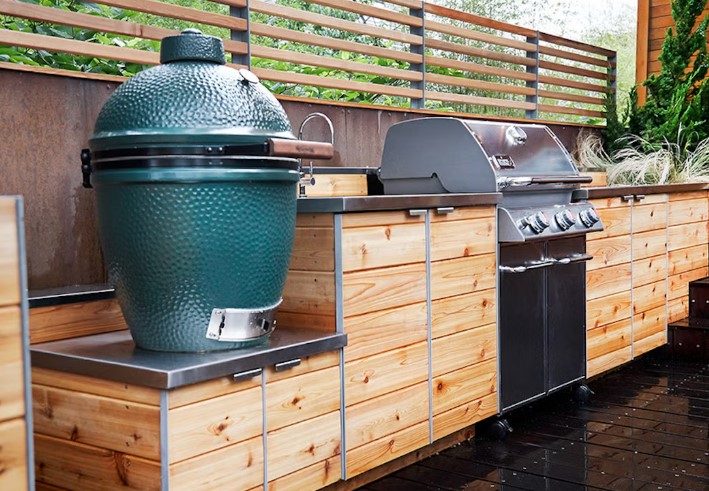

Introduction
Creating a functional and stylish cooking space in your backyard has become one of the most popular home improvement trends, and for good reason. A diy outdoor kitchen not only enhances your outdoor living experience but also increases the value and usability of your home. Whether you enjoy hosting weekend barbecues, family dinners, or simply cooking in the fresh air, building your own outdoor kitchen can be both rewarding and cost-effective.
Unlike pre-built setups that can be expensive and limited in customization, a diy outdoor kitchen allows you to tailor every detail to your needs, preferences, and budget. From choosing the right layout and materials to installing appliances and adding finishing touches, this guide will walk you through everything you need to know to create a beautiful and durable outdoor cooking area.
This comprehensive blog will help beginners and experienced DIY enthusiasts alike understand the planning, construction, and maintenance involved in building a perfect outdoor kitchen.
Why Choose a DIY Outdoor Kitchen?
A diy outdoor kitchen offers flexibility, creativity, and affordability compared to hiring professionals or buying ready-made units. One of the biggest advantages is customization. You can design the kitchen layout according to your available space and cooking habits, ensuring maximum efficiency and comfort.
Another key benefit is cost savings. By sourcing materials yourself and handling the construction, you can significantly reduce expenses. Additionally, building your own setup gives you a sense of accomplishment and allows you to learn valuable skills.
Moreover, outdoor kitchens are perfect for social gatherings. They create a central hub where family and friends can gather, eat, and enjoy the outdoors together.
Planning Your DIY Outdoor Kitchen
Before starting your diy outdoor kitchen, proper planning is essential. This step ensures that your project runs smoothly and meets your expectations.
1. Choose the Right Location
Selecting the right spot is crucial. Ideally, your outdoor kitchen should be close to your indoor kitchen for easy access to utilities like water and electricity. At the same time, it should be placed in a well-ventilated area to handle smoke and heat effectively.
Consider factors like wind direction, sunlight exposure, and proximity to seating areas. A shaded location is often preferable for comfort during hot days.
2. Determine Your Budget
Budgeting helps you prioritize features and avoid overspending. Decide how much you are willing to invest and allocate funds for materials, appliances, and tools. A diy outdoor kitchen can range from a simple grill station to a fully equipped cooking space.
3. Select a Layout
The layout plays a significant role in functionality. Common layouts include:
- Straight-line kitchen for small spaces
- L-shaped kitchen for better workflow
- U-shaped kitchen for larger areas and more storage
Choose a layout that suits your space and cooking style.
Essential Components of a DIY Outdoor Kitchen
A well-designed diy outdoor kitchen includes several key components that make cooking and entertaining easier.
1. Cooking Area
The cooking area is the heart of your outdoor kitchen. This typically includes a grill, stovetop, or even a pizza oven. Choose appliances based on your cooking preferences.
2. Countertops
Countertops provide workspace for food preparation. Durable materials like granite, concrete, or tile are ideal for outdoor use.
3. Storage Space
Storage is often overlooked but essential. Cabinets and drawers help keep utensils, cookware, and supplies organized and protected from the elements.
4. Sink and Plumbing
Adding a sink increases convenience by allowing you to wash vegetables, dishes, and hands without going indoors.
5. Seating and Dining Area
A comfortable seating area enhances the overall experience. Consider adding bar stools, dining tables, or lounge furniture.
Materials for Building a DIY Outdoor Kitchen
Choosing the right materials ensures durability and longevity for your diy outdoor kitchen.
| Component | Recommended Materials | Benefits |
|---|---|---|
| Frame | Steel, concrete blocks | Strong and weather-resistant |
| Countertops | Granite, concrete, tile | Durable and easy to clean |
| Cabinets | Stainless steel, marine wood | Moisture and rust resistance |
| Flooring | Stone, brick, concrete | Slip-resistant and durable |
| Roofing (optional) | Metal, wood pergola | Protection from weather |
Using high-quality materials will reduce maintenance and improve the overall appearance of your kitchen.
Step-by-Step Guide to Build a DIY Outdoor Kitchen
Building a diy outdoor kitchen requires careful execution. Follow these steps for a successful project.
Step 1: Prepare the Base
Start by preparing a solid foundation. Concrete slabs are the most common choice as they provide stability and durability.
Step 2: Build the Frame
Construct the frame using metal studs or concrete blocks. Ensure that the structure is level and strong enough to support appliances and countertops.
Step 3: Install Utilities
If your kitchen includes plumbing or electrical components, install them at this stage. It is advisable to consult professionals for safety.
Step 4: Add Countertops and Surfaces
Install countertops securely and ensure they are properly sealed to withstand outdoor conditions.
Step 5: Install Appliances
Place your grill, sink, and other appliances in designated areas. Make sure they are properly connected and functional.
Step 6: Finishing Touches
Add decorative elements like lighting, paint, or tiles to enhance the overall look of your kitchen.
Design Ideas for DIY Outdoor Kitchen
A diy outdoor kitchen can be designed in various styles to match your home and personal taste.
Rustic Style
Use natural stone, wood, and earthy tones to create a warm and inviting atmosphere.
Modern Style
Opt for sleek lines, stainless steel appliances, and minimalist design for a contemporary look.
Tropical Style
Incorporate bamboo, bright colors, and greenery to create a vacation-like vibe.
Compact Style
For small spaces, focus on functionality with a simple grill, small countertop, and minimal storage.
Tips for Maintaining Your DIY Outdoor Kitchen
Proper maintenance ensures your diy outdoor kitchen remains in excellent condition for years.
- Clean surfaces regularly to prevent stains and buildup
- Cover appliances when not in use
- Inspect for damage or wear periodically
- Seal countertops and wooden elements to protect against weather
Regular upkeep not only preserves the appearance but also extends the lifespan of your outdoor kitchen.
Common Mistakes to Avoid
While building a diy outdoor kitchen, avoid these common pitfalls:
- Ignoring weather conditions when selecting materials
- Poor planning of layout and workflow
- Skipping proper ventilation
- Underestimating storage needs
- Overloading the design with unnecessary features
Being mindful of these mistakes will help you create a functional and efficient outdoor cooking space.
Cost Breakdown of a DIY Outdoor Kitchen
The cost of a diy outdoor kitchen depends on size, materials, and features. A basic setup may cost a few hundred dollars, while a fully equipped kitchen can run into thousands.
To save money:
- Reuse materials where possible
- Buy appliances during sales
- Start small and expand later
Planning wisely can help you achieve your dream kitchen without exceeding your budget.
Benefits of Having a DIY Outdoor Kitchen
A diy outdoor kitchen offers numerous advantages beyond just cooking.
- Enhances outdoor living space
- Increases property value
- Encourages social interaction
- Reduces indoor heat during cooking
- Provides a unique and enjoyable cooking experience
These benefits make it a worthwhile investment for any homeowner.
Conclusion
Building a diy outdoor kitchen is an exciting and rewarding project that combines creativity, functionality, and practicality. From planning the layout and selecting materials to constructing the structure and adding final touches, every step allows you to create a space tailored to your needs.
With careful planning and the right approach, you can design a kitchen that not only meets your cooking requirements but also becomes a central gathering place for friends and family. Whether you prefer a simple setup or a fully equipped outdoor cooking station, the possibilities are endless.
A well-built diy outdoor kitchen transforms your backyard into a vibrant and inviting space, making every meal an experience to remember. By investing time and effort into this project, you can enjoy the benefits of outdoor cooking for years to come while adding value and charm to your home.
Read More:- Covered Outdoor Kitchen Ideas for Stylish Backyard Cooking