

Introduction
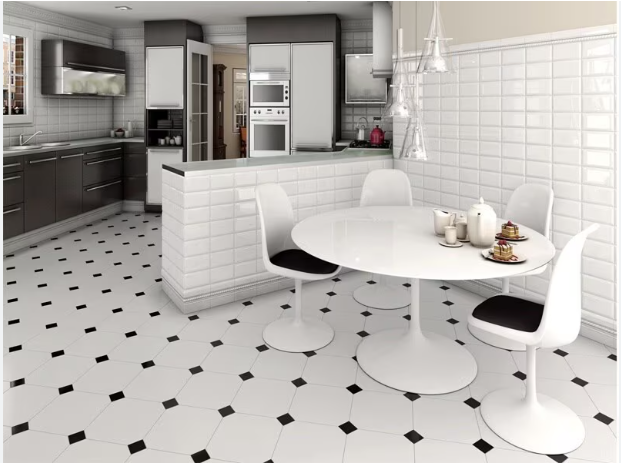
Designing a home is a deeply personal journey, and every detail contributes to the overall atmosphere of the space. Among these details, tiles hold a unique position. They are not only practical but also visually transformative, capable of redefining an entire room with their texture, color, and layout. Whether you are building a new home or renovating an existing one, selecting the right home tiles design plays a critical role in shaping your interiors.
Tiles today go far beyond their traditional role. They are now available in a wide range of materials, finishes, and patterns that allow homeowners to express their creativity. From minimalist aesthetics to bold artistic statements, tiles can align with any vision. At the same time, they provide durability, easy maintenance, and long-term value—qualities that make them indispensable in modern homes.
In this detailed guide, we will explore every aspect of tile selection and styling. You will learn about different types of tiles, trending styles, room-specific ideas, and practical tips that ensure your choices are both beautiful and functional.
The Growing Importance of Tiles in Modern Interiors
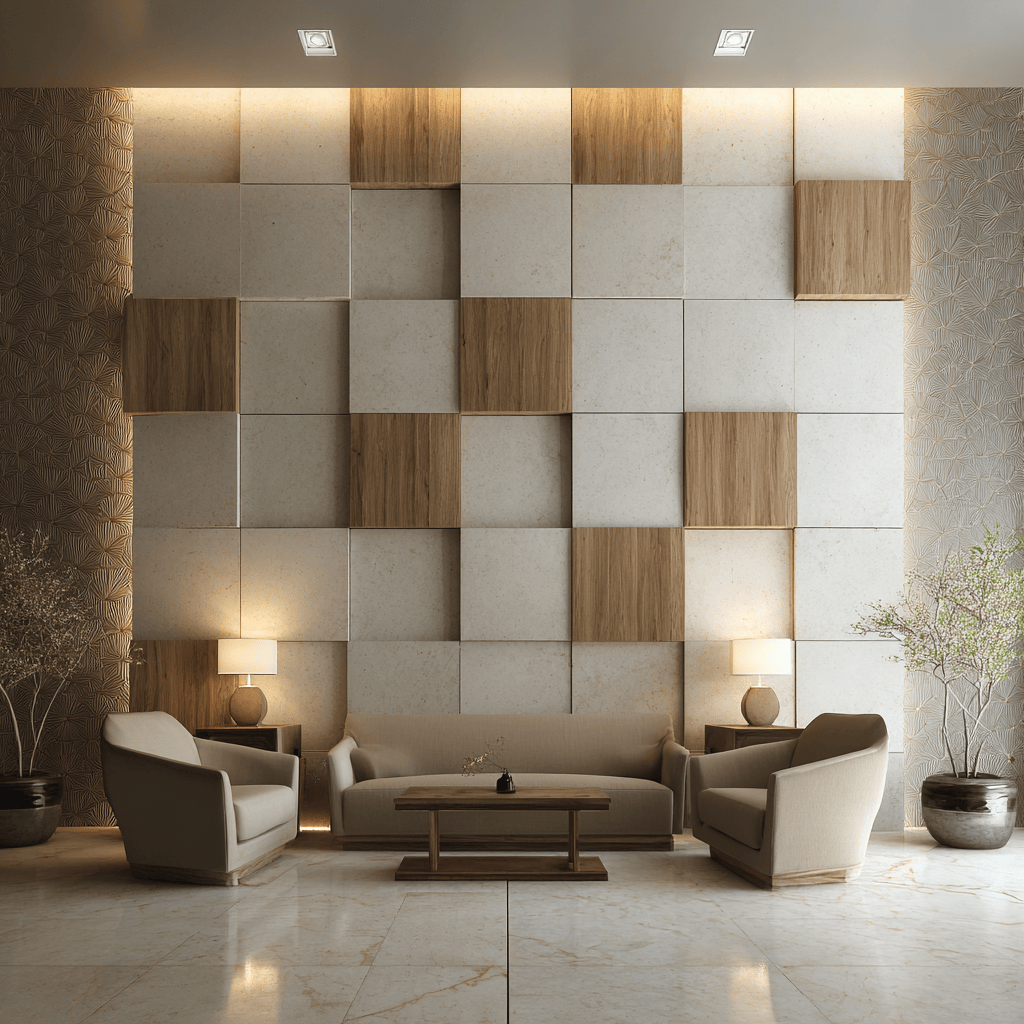
Tiles have evolved significantly over the years. What was once a purely functional element is now a central design feature in homes. This shift has been driven by advancements in manufacturing technology, which have made it possible to create tiles that mimic natural materials like wood and stone while offering superior durability.
A thoughtfully planned home tiles design enhances not just the appearance of a space but also its usability. Tiles are resistant to moisture, stains, and wear, making them suitable for almost every part of the house. Additionally, they are easy to clean, which is a major advantage in busy households.
Another reason tiles have gained popularity is their versatility. They can be used on floors, walls, backsplashes, and even decorative panels. This flexibility allows homeowners to create cohesive designs that flow seamlessly from one room to another.
Understanding Different Types of Tiles
Choosing the right type of tile is the foundation of any successful design. Each type has its own characteristics, advantages, and ideal applications.
Ceramic Tiles
Ceramic tiles are one of the most widely used options due to their affordability and variety. They are available in countless colors and patterns, making them suitable for walls and low-traffic areas.
These tiles are relatively lightweight and easy to install. However, they may not be as durable as other options, which is why they are often used in areas where heavy wear is not a concern.
Porcelain Tiles
Porcelain tiles are known for their strength and durability. They are denser than ceramic tiles and less porous, which makes them resistant to moisture and stains.
Because of these qualities, porcelain tiles are ideal for high-traffic areas such as living rooms, kitchens, and even outdoor spaces. They are a popular choice in modern home tiles design due to their versatility and longevity.
Vitrified Tiles
Vitrified tiles are created by fusing silica and clay at high temperatures. This process makes them extremely durable and resistant to water absorption.
They are often used in living rooms and commercial spaces because of their polished finish and low maintenance requirements. Their sleek appearance makes them a favorite for contemporary interiors.
Natural Stone Tiles
Natural stone tiles, such as marble and granite, offer unmatched elegance. Each tile has unique patterns, giving spaces a luxurious and distinctive look.
However, they require regular maintenance and sealing to prevent stains and damage. Despite this, they remain a top choice for premium interiors.
Glass Tiles
Glass tiles are primarily used for decorative purposes. They reflect light beautifully, adding brightness and depth to a room.
They are commonly used in kitchen backsplashes and bathroom walls, where they create a modern and stylish effect.
Popular Trends in Tile Design
Tile trends continue to evolve, offering exciting possibilities for homeowners. Staying updated with these trends can help you create a space that feels fresh and contemporary.
Minimalist and Neutral Designs
Minimalism remains a dominant trend in interior design. Neutral colors like white, beige, and grey create a calm and sophisticated environment.
These designs focus on simplicity and clean lines, making them ideal for modern homes. A subtle home tiles design with neutral tones can make spaces feel larger and more open.
Bold Patterns and Geometric Shapes
For those who prefer a more dynamic look, geometric patterns are an excellent choice. Hexagonal tiles, chevron patterns, and intricate mosaics add visual interest and personality.
These designs are often used as accents to create focal points within a room.
Wood-Look Tiles
Wood-look tiles combine the warmth of wood with the durability of tiles. They are perfect for homeowners who want a natural aesthetic without the maintenance challenges of real wood.
Textured and 3D Tiles
Textured tiles add depth and dimension to walls. They create a tactile experience that enhances the overall design.
These tiles are particularly popular for feature walls in living rooms and bedrooms.
Large Format Tiles
Large tiles are gaining popularity for their ability to create a seamless look. With fewer grout lines, they make spaces appear more expansive and elegant.
Designing Each Room with the Right Tiles
Every room in a home has different requirements, and tiles should be chosen accordingly.
Living Room Tile Design
The living room is often the most visible space in a home. It should reflect your style while also being practical.
Glossy vitrified tiles are a popular choice for living rooms because they create a polished and sophisticated look. Neutral colors work well, but adding a patterned accent can elevate the design.
A carefully chosen home tiles design for the living room sets the tone for the entire house.
Kitchen Tile Design
The kitchen is a high-use area that requires tiles that are both durable and easy to clean.
Floor tiles should be slip-resistant, while backsplash tiles can be more decorative. Bright colors and patterns are often used to add energy to the space.
Bathroom Tile Design
Bathrooms require tiles that can handle constant exposure to water.
Matte or textured tiles are ideal for floors to prevent slipping. Light colors can make small bathrooms appear larger, while darker shades add a touch of luxury.
Bedroom Tile Design
Bedrooms are all about comfort and relaxation. Tiles in warm tones create a cozy atmosphere.
Wood-look tiles are a popular choice for bedrooms, as they combine comfort with practicality.
Outdoor Tile Design
Outdoor spaces require tiles that can withstand weather conditions.
Rough-textured tiles provide better grip, while natural stone tiles blend beautifully with outdoor environments.
Choosing the Right Tile Size and Layout
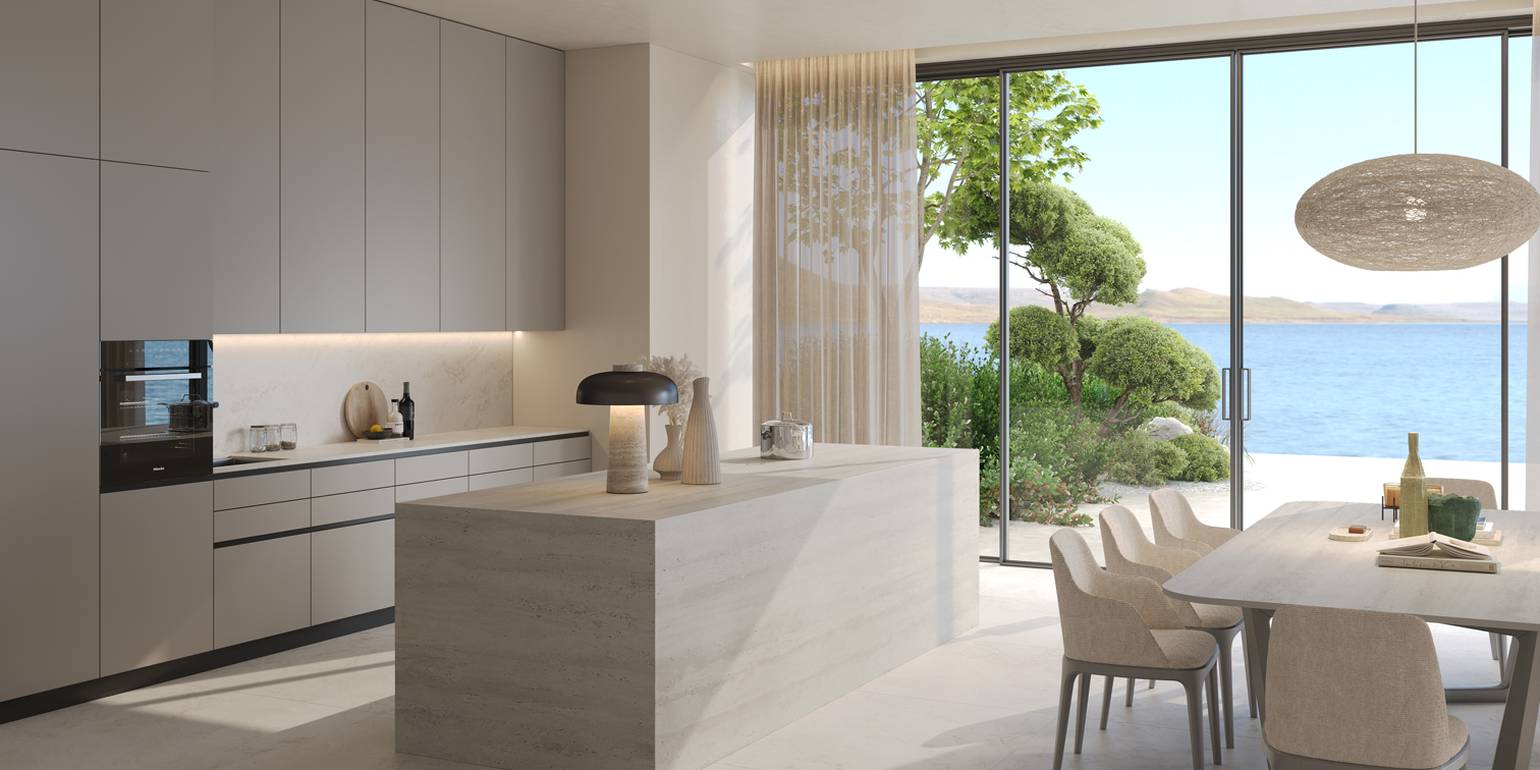
The size and layout of tiles can significantly impact the perception of space.
Large tiles are ideal for open areas, as they create a seamless look. Smaller tiles, on the other hand, are better suited for intricate designs and compact spaces.
Layout patterns such as diagonal or herringbone can add visual interest. A well-planned home tiles design considers both size and layout to achieve balance and harmony.
Color Selection and Its Impact
Color plays a crucial role in defining the mood of a space.
Light colors make rooms feel larger and more open, while dark colors create a dramatic and intimate atmosphere. Neutral tones are versatile and timeless, making them a safe choice for most homes.
Combining different colors can add depth and character, but it is important to maintain balance to avoid overwhelming the space.
Tile Finishes and Their Applications
Tiles are available in a variety of finishes, each with its own advantages.
Glossy tiles reflect light and create a luxurious feel, making them ideal for living rooms and walls. Matte tiles offer better grip and are suitable for bathrooms and outdoor areas.
Textured tiles add depth and are often used for feature walls. Choosing the right finish is an essential part of any home tiles design strategy.
Comparison Table: Tile Types and Features
| Tile Type | Durability | Maintenance | Best Use Area | Cost Level |
|---|---|---|---|---|
| Ceramic | Medium | Low | Walls, light floors | Low |
| Porcelain | High | Low | Floors, outdoors | Medium |
| Vitrified | High | Very Low | Living rooms | Medium |
| Natural Stone | Very High | High | Luxury interiors | High |
| Glass | Low | Medium | Decorative walls | Medium |
Budget-Friendly Tile Design Strategies
Designing a beautiful home does not always require a large budget.
One effective approach is to use premium tiles in focal areas while opting for more affordable options elsewhere. This creates a balanced look without overspending.
Another strategy is to keep designs simple in larger spaces and use decorative tiles sparingly. A smart home tiles design approach ensures that you achieve both style and cost efficiency.
Installation and Practical Tips
Proper installation is crucial for achieving the desired look and ensuring durability.
The surface should be clean and level before tiles are installed. High-quality adhesives and grout should be used to prevent future issues.
Spacing between tiles should be consistent, and professional installation is recommended for complex designs.
Maintenance and Longevity
Tiles are known for their low maintenance, but proper care can extend their lifespan.
Regular cleaning with mild detergents helps maintain their appearance. Harsh chemicals should be avoided, as they can damage the surface.
Natural stone tiles require sealing to prevent stains, while any cracks or chips should be repaired promptly.
Common Mistakes to Avoid
Many homeowners make mistakes that affect the final outcome of their tile design.
Choosing tiles based solely on appearance without considering functionality is a common error. Another mistake is ignoring slip resistance in wet areas.
Using too many patterns can make a space look cluttered. A balanced home tiles design avoids these pitfalls and ensures a cohesive look.
Quick Tile Selection Guide
Best Tiles for Living Room: Vitrified or porcelain tiles
Best Tiles for Kitchen: Stain-resistant and easy-to-clean tiles
Best Tiles for Bathroom: Anti-slip and moisture-resistant tiles
Trending Style: Large format and geometric designs
Budget Tip: Use decorative tiles only in focal areas
FAQs
What is the best tile for a modern home?
Porcelain and vitrified tiles are popular choices due to their durability and sleek appearance.
How do I maintain tile flooring?
Regular cleaning with mild detergents and avoiding harsh chemicals helps maintain tile quality.
Are large tiles better for small rooms?
Yes, large tiles with fewer grout lines can make small rooms appear more spacious.
Which tiles are safest for bathrooms?
Matte or textured tiles are ideal for bathrooms as they provide better grip.
Can tiles be used in bedrooms?
Yes, tiles like wood-look options are increasingly used in bedrooms for a stylish and practical finish.
Conclusion
Tiles have become an essential element of modern home design, offering a perfect blend of functionality and aesthetics. From selecting the right material to choosing colors, finishes, and layouts, every decision contributes to the overall look and feel of your home.
A well-planned home tiles design not only enhances visual appeal but also ensures durability and ease of maintenance. By understanding your needs and exploring different options, you can create spaces that are both beautiful and practical.
Take the time to plan carefully, experiment with styles, and focus on quality. With the right approach, your tile choices can transform your home into a space that reflects your personality while standing the test of time.