

Introduction
Creating a sacred space within your home is not just about following tradition—it is about building a personal sanctuary where peace, devotion, and mindfulness can coexist. In a world that constantly demands attention, a calm spiritual corner offers a grounding experience that nurtures both emotional and mental well-being. A thoughtfully curated home temple design becomes a daily reminder to pause, reflect, and reconnect with your inner self.
The beauty of designing a temple at home lies in its versatility. Whether you live in a compact apartment or a spacious house, there is always a way to incorporate a serene prayer area that aligns with your beliefs and aesthetic preferences. This guide explores the deeper aspects of designing a temple space, blending tradition with modern practicality to help you create something truly meaningful.
Understanding the Essence of a Sacred Space
A temple at home is more than a decorative addition. It holds emotional, cultural, and spiritual significance that goes beyond its physical structure. For many, it is a place where the day begins and ends, filled with rituals that bring comfort and clarity.
When planning a home temple design, it is important to focus on intention rather than just appearance. The energy of the space is influenced by how thoughtfully it is arranged, how clean it is kept, and how frequently it is used. Even the smallest corner, when maintained with care, can become a powerful center of positivity.
The essence of a sacred space is rooted in simplicity. It does not need to be elaborate or expensive. Instead, it should feel inviting and peaceful, encouraging you to spend a few quiet moments in reflection every day.
Choosing the Right Location for Spiritual Balance

Importance of Direction and Placement
The placement of your temple plays a significant role in maintaining harmony within your home. Traditionally, the northeast direction is considered ideal, as it is believed to attract positive energy and spiritual vibrations.
If that is not possible, east or north-facing setups are also suitable alternatives. The key is to ensure that the space feels open and uncluttered, allowing energy to flow freely. A well-planned home temple design always prioritizes a शांत and dedicated area over convenience.
Adapting to Modern Living Spaces
In today’s urban homes, space constraints are common. However, this should not limit your ability to create a meaningful temple. A small wall-mounted unit, a corner shelf, or even a dedicated cabinet can serve the purpose beautifully.
The idea is to integrate the temple seamlessly into your living environment without compromising its sanctity. A compact home temple design can be just as impactful as a larger one when arranged thoughtfully.
Exploring Different Styles of Temple Designs
Traditional Wooden Temples
Wooden temples have a timeless charm that resonates with cultural heritage. Intricate carvings, warm tones, and classic structures make them a popular choice for many households.
A traditional home temple design often features detailed craftsmanship, creating a sense of authenticity and reverence. These designs work particularly well in homes with classic or ethnic interiors.
Modern Minimalist Temples
Minimalism has become a growing trend in interior design, and temple spaces are no exception. Clean lines, neutral colors, and simple structures define this style.
A minimalist home temple design focuses on functionality and elegance without unnecessary embellishments. It is perfect for contemporary homes where subtlety is key.
Marble and Stone Temples
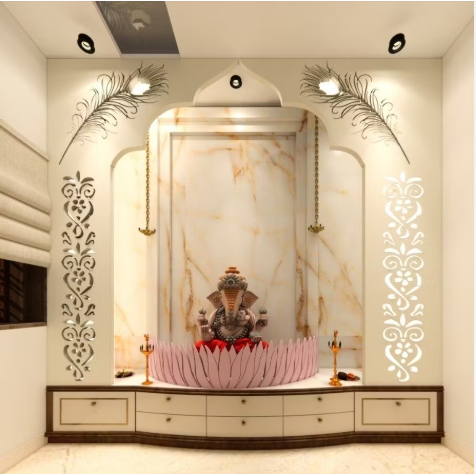
Marble temples exude purity and sophistication. Their smooth finish and natural patterns create a serene visual appeal that enhances the spiritual atmosphere.
This type of home temple design is often chosen for its durability and luxurious feel. It blends well with both traditional and modern interiors, making it a versatile option.
Wall-Mounted and Floating Temples
For smaller homes, wall-mounted temples are a practical solution. They save space while maintaining a dedicated area for पूजा and meditation.
A floating home temple design can be customized with lighting and decorative panels, creating a visually appealing focal point without occupying floor space.
Materials That Define Style and Longevity
Selecting the right material is crucial for both aesthetics and durability. Each material offers a unique look and feel, allowing you to tailor your temple to your preferences.
| Material | Appearance Style | Durability | Maintenance Level | Best For |
|---|---|---|---|---|
| Solid Wood | Warm and traditional | High | Moderate | Classic interiors |
| Marble | Elegant and pure | Very High | Low | Luxurious settings |
| MDF/Engineered | Modern and flexible | Medium | Low | Budget-friendly designs |
| Metal | Sleek and contemporary | High | Low | Minimalist spaces |
| Glass | Light and stylish | Medium | Moderate | Compact urban homes |
A balanced home temple design often combines materials to achieve both beauty and practicality, ensuring that the space remains functional over time.
The Role of Lighting in Creating Ambience
Lighting is one of the most important elements in shaping the mood of your temple. It influences how the space feels and how inviting it appears.
Natural Lighting for Positivity
Placing your temple near a window allows natural light to enhance the atmosphere. Sunlight brings warmth and a sense of openness, making the space feel alive.
A naturally lit home temple design often feels more calming and connected to nature, which can deepen your spiritual experience.
Artificial Lighting for Enhancement
LED lights, spotlights, and traditional diyas can be used to create a soft glow. Warm lighting works best, as it adds to the शांत and soothing environment.
Incorporating layered lighting into your home temple design ensures that the space remains visually appealing at all times of the day.
Decor Elements That Add Depth and Meaning
Decorating your temple is an opportunity to express your personal beliefs and style. Each element should contribute to the overall harmony of the space.
Back Panels and Artistic Details
Decorative backdrops featuring symbols or patterns can enhance the visual appeal. They create a focal point that draws attention to the idols.
A thoughtfully designed backdrop can elevate the entire home temple design, making it feel more complete and intentional.
Idols and Spiritual Symbols
Choosing the right idols is a deeply personal decision. It is important to keep the arrangement simple and balanced to avoid clutter.
A clean and organized home temple design allows you to focus better during prayers and meditation.
Textiles and Accessories
Small additions like पूजा mats, curtains, or decorative bells can add warmth and character. These elements should complement the overall theme without overwhelming it.
Color Psychology in Temple Design

Colors have a powerful impact on mood and energy. Selecting the right palette can enhance the spiritual ambiance of your temple.
Light shades such as white, cream, and pastel tones create a sense of purity and calmness. Gold accents can add a touch of elegance and divinity.
A harmonious color scheme is essential for a balanced home temple design, ensuring that the space feels inviting and peaceful.
Practical Storage and Organization
A temple should not only look beautiful but also be functional. Proper storage helps maintain cleanliness and organization.
Drawers and cabinets can be used to store पूजा essentials such as incense sticks, oils, and prayer books. Hidden compartments keep the space tidy while maintaining a clean appearance.
A well-organized home temple design ensures that everything you need is easily accessible without disrupting the visual harmony.
Incorporating Vastu Principles for Harmony
Vastu guidelines can help create a balanced and positive environment. While not mandatory, they are often followed to enhance the spiritual energy of the space.
Keeping the temple elevated, avoiding clutter, and ensuring proper orientation are some of the key considerations. These small adjustments can make a significant difference in how the space feels.
A Vastu-aligned home temple design promotes a sense of peace and well-being within the household.
Modern Innovations in Temple Design
As lifestyles evolve, temple designs are also adapting to modern needs. Technology and creativity are playing a larger role in shaping these spaces.
Smart lighting systems, modular units, and multi-functional designs are becoming increasingly popular. These features add convenience while maintaining the sanctity of the temple.
A contemporary home temple design blends tradition with innovation, creating a space that feels both timeless and relevant.
Common Mistakes to Avoid
Designing a temple requires careful thought and attention to detail. Avoiding common mistakes can help you create a more effective space.
Overcrowding the area with too many decorative items can make it feel chaotic. Poor lighting can reduce the visual appeal and disrupt the ambiance.
Ignoring cleanliness or choosing a design that clashes with your home’s interior can also affect the overall experience. A mindful approach ensures that your home temple design remains harmonious and meaningful.
Quick Checklist for a Perfect Temple Setup
- Choose a शांत and clutter-free location
- Ensure proper lighting for a soothing atmosphere
- Select materials that suit your interior style
- Keep the arrangement simple and organized
- Follow basic Vastu guidelines if possible
This checklist can guide you in creating a well-balanced and effective temple space.
FAQs About Home Temple Design
What is the ideal size for a home temple?
The size depends on your available space. Even a small, well-organized corner can serve as an effective temple.
Can I place a temple in the living room?
Yes, the living room is a common choice, especially in modern homes where dedicated rooms may not be available.
Which material is best for long-term use?
Wood and marble are highly durable and maintain their appearance over time with proper care.
How often should I clean my temple?
Regular cleaning is essential to maintain hygiene and positive energy. Daily light cleaning and weekly deep cleaning are recommended.
Is it necessary to follow Vastu principles?
While not mandatory, following Vastu guidelines can help create a more balanced and harmonious environment.
Conclusion: Designing a Space That Reflects Peace and Devotion
Creating a temple at home is a deeply fulfilling experience that goes beyond aesthetics. It is about building a space that nurtures your spiritual journey and brings a sense of calm to your everyday life. A well-planned temple can transform even the smallest corner into a sanctuary of peace and positivity.
Focus on simplicity, functionality, and harmony when designing your space. Choose elements that resonate with your beliefs and complement your home’s overall style. Keep the area clean, organized, and filled with positive energy to maintain its sanctity.
Ultimately, the true beauty of a temple lies not in its size or design, but in the भावना it carries. With thoughtful planning and genuine intention, your sacred space can become a source of comfort, strength, and inspiration for years to come.