

Key Takeaways
- Inspect gaps, cracks, door seals, vents, and utility openings before temperatures drop consistently.
- Reduce food, water, and shelter that can attract rodents and insects near the home.
- Keep leaves, firewood, stored materials, and dense vegetation away from exterior walls.
- Check attics, basements, garages, and storage areas for early signs of activity.
- Use targeted control methods carefully, and seek professional help for persistent or high-risk pest concerns.
Early fall is a practical time to prepare a home for changing weather and increased pest activity. As temperatures drop, insects and rodents may seek warmer, protected spaces around houses. Simple maintenance, including sealing gaps, checking screens, reducing moisture, and keeping food stored securely, can help limit opportunities for pests to enter and settle indoors. A room-by-room inspection can also uncover small issues before they become recurring problems.
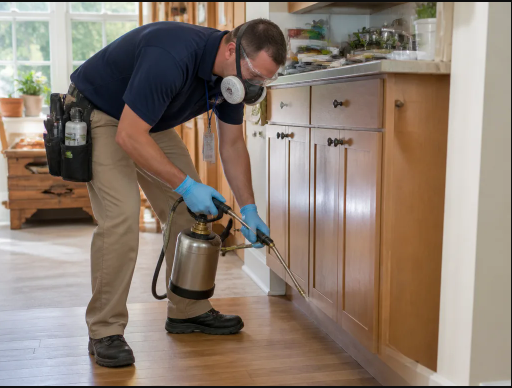
When signs of pest activity continue despite routine prevention, professional guidance can provide a more targeted approach. Pointe Pest Control offers pest management services to help homeowners address common concerns and identify potential entry points and conditions that support pest activity. Taking these steps early can help keep seasonal pest concerns manageable as colder weather approaches.
Why Fall Changes Pest Activity
Shorter days, cooler nights, and changing outdoor food conditions can alter pest behavior in different ways. Some insects become less active as temperatures fall, while others seek protected locations to remain sheltered during colder periods. Rodents may also become more noticeable around homes when outdoor food and nesting conditions change.
Not every pest found indoors signals an infestation. A single spider or stink bug may have wandered in by chance. Repeated sightings, however, can indicate that a gap, moisture problem, food source, or nearby harborage area is allowing pests to remain active around the home.
Common Fall Pests Around Homes
Fall pest checks should focus on the species most likely to use buildings for shelter, food, or nesting.
- Mice and rats: Watch for droppings, gnaw marks, shredded nesting material, rub marks along walls, or scratching sounds.
- Spiders: Inspect corners, window wells, basements, garages, sheds, and areas where other insects gather.
- Stink bugs and boxelder bugs: Look near sunny exterior walls, window frames, siding, attic vents, and screens.
- Cockroaches: Check damp locations, plumbing penetrations, utility rooms, basements, and cluttered storage areas.
- Ants: Follow visible trails to identify food, moisture, or small foundation openings that may be attracting them.
- Termites: Take note of mud tubes, damaged wood, discarded wings, and conditions that keep wood or soil consistently damp.
Step One: Inspect the Outside of the Home
Begin with a daytime walk around the exterior. Look closely at the foundation, brickwork, siding, roof edges, window frames, and areas where pipes, cables, or vents pass through walls. Check garage doors, screens, foundation vents, and exterior doors for worn weather stripping or damaged sweeps.
Even a small opening can become a dependable route if it leads to warmth, shelter, food, or nesting space. Seal cracks and gaps with materials appropriate for the surface and location. Temporary patches may fail quickly when exposed to weather, moisture, or animal activity.
Step Two: Reduce Moisture and Food Sources
Many pests are drawn to the same conditions that make a home inconvenient for people: leaks, crumbs, standing water, and poorly stored food. Focus on reducing those opportunities with practical routine maintenance.
- Repair dripping faucets, leaking pipes, and plumbing connections beneath sinks.
- Clean food spills and crumbs promptly, especially behind appliances and beneath dining areas.
- Store pantry items and pet food in sealed containers.
- Keep trash containers covered and empty indoor trash regularly.
- Improve drainage so water does not collect near the foundation.
- Use ventilation or a dehumidifier in damp basements, crawl spaces, or utility rooms when needed.
Cleaning alone will not solve every pest issue, but it can remove the food and moisture that help a problem continue. Pair sanitation with exclusion and monitoring for a more complete prevention plan.
Step Three: Tidy the Yard and Exterior Storage Areas
The goal outdoors is not a perfect yard. It is reducing the easy shelter and direct pathways that can bring pests close to the house. Move firewood, lumber, unused building materials, and stored items away from exterior walls. Clear leaf piles and dense plant debris from the foundation, and trim branches or shrubs that touch siding or the roof.
Empty containers that hold rainwater, keep compost bins closed, and inspect sheds, playhouses, and outdoor storage boxes. These locations can provide hidden shelter, particularly when they are rarely opened or cleaned.
Step Four: Check Attics, Basements, and Garages
Indoor storage spaces often reveal pest activity before living areas do. Look for droppings, shed insect skins, nesting material, unusual odors, damaged insulation, and openings around vents or utility lines. Inspect boxes before moving them into the home, and avoid storing cardboard directly on damp floors when possible.
Use a flashlight, gloves, and eye protection before reaching into dark or enclosed areas. Do not disturb an unknown nest, and use care around droppings or animal remains. If activity appears extensive or inaccessible, an inspection is safer than trying to handle the situation without knowing what is present.
How to Use Traps, Baits, and Pesticides Carefully
Identify the pest before selecting a control method. Traps, baits, and pesticides work differently depending on the species and setting, so using the wrong product can waste time or create unnecessary risk. Follow every label direction, never mix chemicals, and do not use outdoor-only products indoors.
Place traps and any pest-control products where children and pets cannot access them. In many cases, exclusion, sanitation, and monitoring should come first. This integrated approach addresses the conditions that drive pest activity rather than relying solely on repeated product applications.
When a Homeowner Should Ask for Help
Professional help can be useful before a problem becomes severe. Consider scheduling an inspection when rodent activity continues after openings are sealed, pests appear to be entering through walls or ceilings, or a nest is near a doorway, attic, or frequently used outdoor area.
Prompt assistance is also appropriate for suspected termite damage, recurring cockroach activity, stinging insects near living spaces, or pest issues affecting food preparation areas, bedrooms, or indoor comfort. A trained inspection can identify concealed entry points and conditions that are easy to miss during a quick walk-through.
A Simple 30-Minute Checklist
- Walk around the foundation and note visible cracks or gaps.
- Check door sweeps, window screens, garage seals, and vents.
- Look beneath sinks and around appliances for leaks.
- Move firewood, clutter, and leaf debris away from the home.
- Secure food, pet food, and trash containers.
- Inspect the attic, basement, and garage for signs of activity.
- Write down repairs or areas that need a closer inspection.
Final Thoughts
Early fall prevention does not require a major renovation. A careful exterior inspection, minor repairs, improved moisture control, and reduced clutter can make a property less appealing to pests. Taking action before a problem becomes widespread helps maintain indoor comfort and makes it easier to recognize when a pest problem needs more than a do-it-yourself solution.