
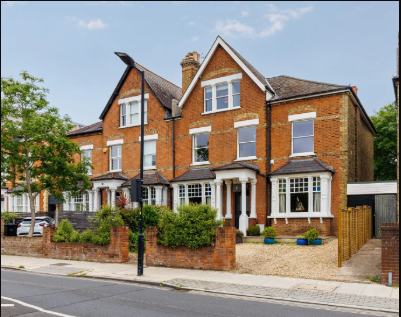

At first glance, Dulwich Village seems to tick every box: leafy streets, real architectural pedigree, and a commute into central London that doesn’t feel punishing. But the easy part is finding a house that looks right. The harder part is working out whether the price actually holds up, whether you’ll be allowed to touch the place once you own it, and whether what looks scarce is actually scarce or just under-marketed. If you’re navigating any of that, it’s worth taking the time to get in touch with our estate agents in Dulwich before you commit to an offer. Here’s what actually matters for buyers operating at this level.
Scarcity that’s been engineered, not accidental
The reason Dulwich Village still feels semi-rural despite sitting so close to central London isn’t luck. Long-standing estate control over development, stretching back centuries, has kept the housing stock deliberately limited. The area’s conservation area status — first established decades ago and extended more than once since — locks in the architectural character but also locks out easy new supply.
That matters more than it sounds. It means you’re never really buying “a house in Dulwich.” You’re buying one of a genuinely finite number of comparable properties, which changes how patient you can afford to be, and how much leverage you actually have at the negotiating table.
Ignore the headline average price
Quoting a single average price for the area is close to meaningless, and treating it as a benchmark is a fast way to overpay or underbid. Flats, semi-detached houses, and detached villas sit in entirely different price brackets, and because so few transactions happen here in any given year, one big sale or a run of smaller ones can swing the “average” wildly in either direction.
The only sensible approach is comparing genuinely similar properties — same type, similar plot, similar condition — and adjusting from there for the things that actually move value: garden privacy, tenure, parking, and any realistic planning potential.
What softness in the market actually means
Prices in the area have cooled somewhat over the past year, though not evenly across the board. That kind of softening can create real opportunity, but only if you know how to tell the difference between a property that’s underpriced because it’s genuinely been on the market too long or poorly presented, and one whose asking price was simply unrealistic from day one.
A well-proportioned house with a strong garden and clean paperwork can still draw serious competition even when the wider market has cooled. The soft spots tend to be properties with something unresolved attached to them — ongoing works, an awkward layout, a long and visible history on the market. Spotting which category a property falls into, before you make an offer, is what separates a good deal from an expensive one.
Different eras, different trade-offs
The architectural mix here runs from Georgian townhouses through Victorian and Edwardian terraces, 1930s family houses, and a small number of approved modern builds — and each comes with its own practical ceiling.
Georgian houses reward buyers who want formality and proportion but are prepared to restore rather than remodel; heavy structural change is often difficult to get approved. Victorian and Edwardian terraces tend to be more forgiving day to day, though quality swings enormously between homes that have been thoughtfully updated and ones with poorly integrated rear extensions. The 1930s stock generally suits families wanting a more relaxed, practical layout, but still needs a proper survey — a comfortable floor plan doesn’t guarantee the roof or insulation are up to scratch. Modern developments offer convenience and efficiency, but they need to be genuinely excellent to compete with an established house that has mature gardens and real character.
Due diligence needs to go further than usual
Standard conveyancing simply doesn’t cover everything you need to know here. A large share of the area’s buildings carry listed status, and parts of it fall under archaeological protection, so before you fall in love with a renovation plan, it’s worth confirming heritage status properly, reviewing the property’s full planning history (a neighbour’s approved extension tells you nothing about yours), and bringing in a survey suited to older or altered buildings rather than a generic one. If excavation or basement work is part of your plan, check the archaeological assessment requirements early — not after you’ve exchanged.
The lifestyle only works if the house actually supports it
Most people aren’t buying a Dulwich Village property in isolation — they’re buying into a daily rhythm built around strong schools, genuine green space, and a walkable village centre, all within reach of the city. That’s a real and valid reason to pay a premium. But it only holds up if the specific house you’re looking at actually fits how your household lives day to day.
School proximity on a map doesn’t guarantee admission. A short distance to the station doesn’t guarantee a comfortable commute at the time you’ll actually be travelling. The only way to know is to test it properly — walk the route in bad weather, check how the school run actually works from the front door, see how the house feels on a grey Tuesday rather than in bright listing photos. Those unglamorous checks tend to tell you more than any description of the area ever will.