

Introduction
The living room, often referred to as the heart of the home, deserves thoughtful design attention. It is where families gather, guests are entertained, and memories are created. While furniture and wall décor play their roles, flooring quietly anchors the entire aesthetic. Among the many options available today, tiles stand out for their durability, versatility, and timeless appeal.
A carefully chosen hall home tiles design can redefine your space, making it feel larger, brighter, and more cohesive. Whether your preference leans toward modern minimalism or traditional warmth, tiles offer endless possibilities to match your vision.
This comprehensive guide walks you through everything you need to know—from materials and colors to layouts and maintenance—so you can make informed decisions that balance style with practicality.
Understanding the Role of Flooring in Living Spaces
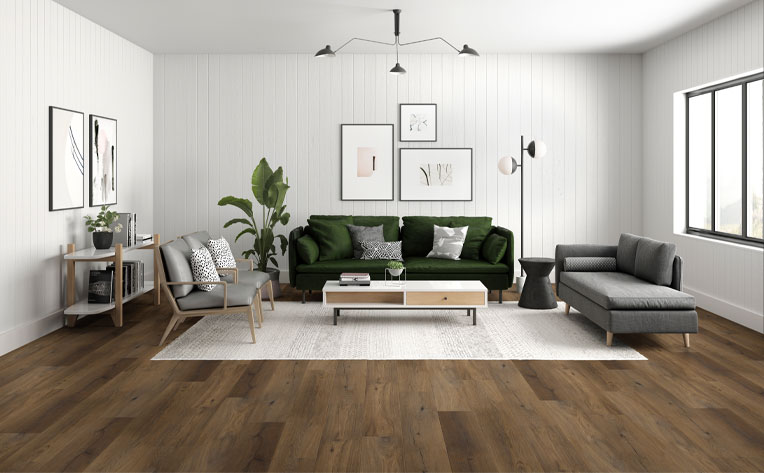
Flooring is not just a surface you walk on; it is the foundation of your interior design. It sets the tone for the entire room and influences how other elements come together. In a hall or living room, where activity is constant, flooring must balance beauty with resilience.
Tiles are particularly suitable for such spaces because they withstand wear and tear while maintaining their visual appeal. A thoughtfully planned hall home tiles design ensures that your flooring complements furniture, lighting, and décor without overwhelming the space.
Moreover, tiles contribute to temperature control, are easy to clean, and come in a wide range of finishes. These qualities make them a practical and stylish solution for modern homes.
Exploring Tile Materials for Hall Flooring
Choosing the right material is the first step in designing your floor. Each type of tile offers distinct characteristics that impact both functionality and aesthetics.
Ceramic Tiles: Affordable and Versatile
Ceramic tiles are among the most commonly used options in residential spaces. They are made from natural clay and baked at high temperatures, resulting in a durable and cost-effective product.
Their versatility lies in the variety of colors, patterns, and finishes available. From glossy surfaces to matte textures, ceramic tiles can easily adapt to different design themes. They are also relatively easy to maintain, making them a practical choice for busy households.
Porcelain Tiles: Strength Meets Sophistication
Porcelain tiles are a refined version of ceramic tiles, known for their density and strength. They are less porous, making them resistant to moisture and stains.
These tiles are ideal for high-traffic areas like halls, where durability is essential. A well-executed hall home tiles design using porcelain can create a polished and luxurious look that lasts for years without significant wear.
Marble Tiles: Timeless Elegance
Marble has long been associated with luxury and sophistication. Its natural veining patterns ensure that no two tiles are exactly alike, adding a unique character to your space.
While marble requires more maintenance compared to other materials, its aesthetic value is unmatched. It works exceptionally well in large halls where its patterns can be appreciated fully.
Vitrified Tiles: Modern and Durable
Vitrified tiles are engineered for strength and low water absorption. They are available in various finishes, including polished and matte, and often mimic natural materials like stone or wood.
Their durability and sleek appearance make them a popular choice for contemporary homes. They are especially suitable for creating a seamless and refined flooring layout.
Wood-Look Tiles: Warmth Without Compromise
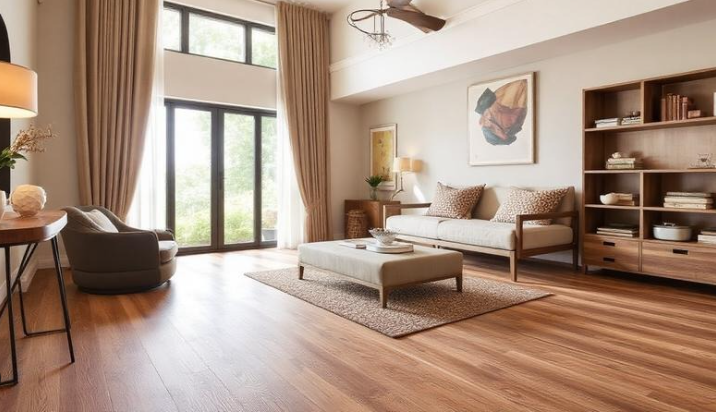
Wooden flooring brings warmth and comfort, but it may not always be practical. Wood-look tiles offer the best of both worlds by replicating the appearance of wood while maintaining the durability of tiles.
They are resistant to moisture and scratches, making them ideal for families who want a cozy yet low-maintenance flooring option.
The Importance of Tile Layout and Patterns
Beyond material selection, the arrangement of tiles plays a significant role in defining the overall look of your hall. Patterns can influence how spacious or dynamic a room feels.
Straight Layout for Simplicity
A straight layout is the most traditional approach, where tiles are aligned in a grid pattern. This layout creates a clean and organized appearance, making it ideal for minimalist interiors.
It works well in both small and large spaces, offering a timeless look that never goes out of style.
Diagonal Layout for Visual Expansion
Placing tiles diagonally can create the illusion of a larger space. This layout draws the eye outward, making it particularly effective in compact halls.
It adds subtle visual interest without being overly complex, enhancing the overall appeal of your hall home tiles design.
Herringbone and Chevron Patterns
For those seeking a more distinctive look, herringbone and chevron patterns provide elegance and movement. These layouts are often used with rectangular tiles and require precise installation.
They add a sense of luxury and craftsmanship, making them suitable for statement flooring designs.
Modular Patterns for Depth
Modular layouts combine tiles of different sizes to create intricate patterns. This approach adds texture and depth, making the flooring a focal point of the room.
Such patterns are particularly effective in larger halls where they can be appreciated without overwhelming the space.
Choosing the Right Colors for Your Tiles
Color selection is a crucial aspect of flooring design, as it directly affects the mood and perception of the room.
Light Shades for Spaciousness
Light-colored tiles, such as white, cream, and beige, reflect natural light and create a sense of openness. They are ideal for smaller halls, as they make the space appear larger and brighter.
Dark Tones for Drama
Dark tiles, including shades of grey, brown, and black, add depth and sophistication. They work best in larger spaces with ample lighting to prevent the room from feeling closed in.
Neutral Colors for Versatility
Neutral tones strike a balance between light and dark, offering flexibility in design. They complement a wide range of furniture styles and color schemes, making them a reliable choice.
A balanced hall home tiles design often incorporates neutral shades to ensure longevity and adaptability.
Bold Colors for Personality
For those who enjoy experimenting, bold colors can add character and vibrancy. These are often used as accents rather than covering the entire floor.
When used thoughtfully, they can create a striking visual impact.
Glossy vs Matte Finishes
The finish of your tiles influences both appearance and practicality.
Glossy Finish for a Luxurious Feel
Glossy tiles reflect light, creating a shiny and elegant look. They are ideal for modern interiors but may require more frequent cleaning to maintain their shine.
Matte Finish for Subtle Elegance
Matte tiles offer a softer and more natural appearance. They provide better traction, making them a safer option for households with children or elderly members.
Tile Size and Spatial Perception
Tile size plays a significant role in how your hall appears. Large tiles reduce the number of grout lines, creating a seamless and expansive look.
Small tiles, on the other hand, add detail but can make the space feel busier. Choosing the right size is essential for achieving a cohesive hall home tiles design.
Maintenance and Longevity
One of the main advantages of tile flooring is its ease of maintenance. Regular cleaning with mild solutions helps preserve the appearance and durability of the tiles.
Sealing grout lines can prevent staining and make cleaning easier. Avoiding harsh chemicals ensures that the finish remains intact over time.
With proper care, a well-designed tile floor can last for decades.
Tile Comparison Table
| Tile Type | Durability | Maintenance Level | Cost Range | Ideal Use Case |
|---|---|---|---|---|
| Ceramic | Medium | Low | Affordable | Budget-friendly homes |
| Porcelain | High | Low | Moderate | High-traffic areas |
| Marble | High | Medium | Expensive | Luxury interiors |
| Vitrified | Very High | Low | Moderate | Modern seamless designs |
| Wood-Look Tile | High | Low | Moderate | Warm, natural aesthetics |
Modern Trends in Hall Tile Design

Interior design trends continue to evolve, offering fresh inspiration for homeowners.
Marble-look tiles remain popular for their luxurious appeal without the high maintenance of real marble. Geometric patterns are gaining traction for their bold and artistic expressions.
Textured finishes add depth and character, making the flooring more engaging. These trends, when incorporated thoughtfully, can elevate your hall home tiles design to a contemporary standard.
Common Mistakes to Avoid
Many homeowners overlook the importance of lighting when selecting tiles. A tile that looks perfect in a showroom may appear different under your home’s lighting conditions.
Another common mistake is ignoring slip resistance. Safety should always be a priority, especially in areas with heavy foot traffic.
Overcomplicating patterns can also lead to a cluttered appearance. Simplicity often yields the most elegant results.
Budget Planning and Cost Considerations
Planning your budget is essential before starting any flooring project. Consider not only the cost of tiles but also installation, adhesives, and maintenance.
Investing in quality materials may seem expensive initially, but it pays off in the long run through durability and reduced maintenance costs.
A well-thought-out hall home tiles design balances aesthetics with affordability, ensuring value for money.
Quick Tips for Choosing Hall Tiles
Best Material: Porcelain or vitrified for durability
Ideal Size: Large tiles for a spacious look
Top Finish: Matte for safety, glossy for elegance
Trending Style: Marble-look and geometric patterns
Maintenance Tip: Use mild cleaners and seal grout lines
Blending Tiles with Interior Décor
Your flooring should harmonize with the overall interior design. Coordinating tile colors with wall shades and furniture creates a cohesive look.
Modern interiors often favor neutral tones and clean lines, while traditional spaces benefit from warm hues and textured finishes.
Achieving balance is key to a successful design.
FAQs
What is the best tile material for a hall?
Porcelain and vitrified tiles are ideal due to their durability and low maintenance.
Which tile color is best for small halls?
Light colors such as white and beige help make the space appear larger.
Are glossy tiles suitable for living rooms?
Yes, but they may be slippery. Matte finishes are safer for everyday use.
How do I maintain tile flooring?
Regular cleaning with mild solutions and sealing grout lines ensures longevity.
Can I mix different tile styles?
Yes, but it is important to maintain balance to avoid a cluttered look.
Conclusion
Designing your hall flooring is an opportunity to express your style while enhancing the functionality of your home. From selecting the right materials and colors to choosing layouts and finishes, every decision contributes to the final outcome.
A well-planned hall home tiles design not only improves the visual appeal of your living space but also ensures durability and ease of maintenance. By understanding your needs and exploring available options, you can create a floor that complements your lifestyle and stands the test of time.
Take your time, explore designs, and invest wisely. The right choice will transform your hall into a welcoming and elegant space that leaves a lasting impression.
Read More:-Creative Tile Ideas to Elevate Every Room in Your Home