
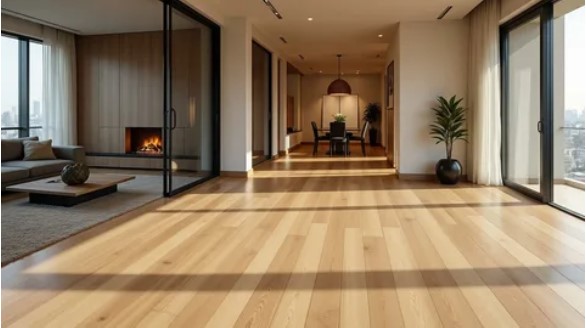

Luxury vinyl plank flooring has become a popular choice for homes, rental properties, and commercial spaces. It provides the appearance of natural wood without requiring the same level of care. Moreover, it is available in many colors, plank sizes, textures, and construction types. However, no flooring material is suitable for every room or household. LVP can resist moisture and daily wear, but product quality and installation standards vary. Therefore, shoppers should understand its construction, advantages, possible limitations, and maintenance needs before visiting a flooring store.
This guide examines the most important features of luxury vinyl plank flooring. It will also help you decide whether LVP suits your space, lifestyle, and budget.
What Is Luxury Vinyl Plank Flooring?
Luxury vinyl plank, commonly called LVP, is a manufactured flooring designed to resemble wood planks. Modern products can recreate the colors, grain patterns, knots, and surface textures found in oak, maple, walnut, pine, and other wood species. Although products differ, an LVP plank usually contains several layers. The design layer creates the wood appearance, while a transparent wear layer protects the printed pattern. A core gives the plank its structure, and some products include an attached backing for comfort, sound reduction, or easier installation.
LVP should not be confused with sheet vinyl. Sheet vinyl is supplied in large rolls, while LVP comes in individual planks. These separate planks can create more realistic seams and patterns. Damaged planks may also be easier to replace than one section of sheet flooring, depending on the installation method.
Important Types of LVP Construction
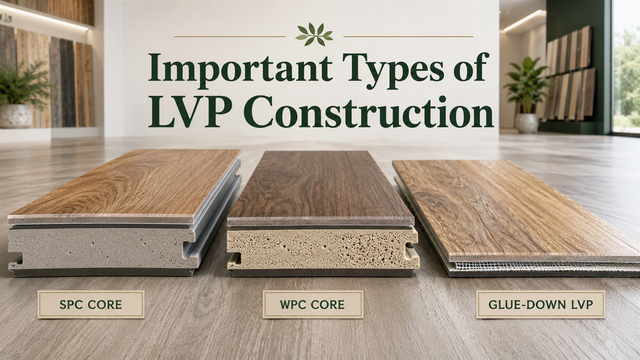
Luxury vinyl planks are available with different core materials and installation systems. These differences affect stability, comfort, price, and the amount of floor preparation required.
Flexible glue-down LVP is attached directly to the prepared subfloor with adhesive. It has a lower profile and can work well in busy areas because individual planks remain secured. However, it requires a smooth and properly prepared surface. Cracks, high spots, or other imperfections may become visible through thinner material.
Rigid-core LVP uses a stronger internal core. SPC, or stone-plastic composite, is firm and highly resistant to dents. WPC, or wood-plastic composite, generally feels softer and warmer underfoot. However, product performance can vary between manufacturers, so shoppers should compare specifications instead of relying only on the core name.
Click-lock LVP joins at the edges and floats above the subfloor. It does not need to be glued down, but the floor beneath it must still be clean, level, and stable. An uneven base can place stress on the locking joints and may cause movement, noise, or separation.
The Main Benefits of Luxury Vinyl Plank
One of LVP’s strongest advantages is its resistance to everyday moisture. Spills do not normally enter the plank itself when the product is labeled waterproof. As a result, it is often considered for kitchens, bathrooms, laundry rooms, basements, and entryways. Still, waterproof planks do not make the complete room waterproof. Water can pass between the edges or travel underneath the flooring. A plumbing leak or flood can therefore damage the subfloor and create moisture problems below the planks.
LVP is also easier to maintain than many natural flooring materials. Regular sweeping or vacuuming removes loose grit, while damp cleaning can handle ordinary dirt. It does not normally require sanding, staining, or refinishing. Design choice is another major benefit. A well-stocked luxury vinyl flooring shop may offer pale oak looks, warm brown tones, deep charcoal colors, rustic textures, and clean modern finishes. This range allows homeowners to coordinate the floor with cabinets, countertops, wall colors, and furniture.
A Wood Appearance at a Different Price Point
Natural hardwood provides authentic character, but it can be expensive to purchase and install. It may also require refinishing after years of wear. LVP can reproduce a similar visual style at a more accessible price point. Higher-quality products use detailed printing and surface texture to create a realistic appearance. Some have embossed-in-register designs, which means the surface texture follows the visible grain pattern. Wider planks and reduced pattern repetition can also make the finished floor look more natural.
However, inexpensive LVP may repeat the same printed pattern frequently. It may also have a flat or overly glossy surface. Homeowners should place several sample planks together before choosing a design. Viewing one small sample does not always show how the full floor will appear.
Comfort and Noise Performance
LVP generally feels softer underfoot than ceramic tile or stone. WPC products and planks with attached padding may provide additional comfort. This can be useful in kitchens and other rooms where people stand for extended periods. Sound performance depends on the product, subfloor, underlayment, and installation quality. An attached pad may reduce some footstep noise, but it does not provide complete soundproofing. Floating floors can sound hollow when installed over an uneven surface or with an unsuitable underlayment.
Before adding separate padding, check the manufacturer’s instructions. Extra underlayment can make some click-lock floors move too much and may damage the joints. It could also affect warranty coverage.
Wear Layers and Everyday Durability
The wear layer protects the printed design from foot traffic, scratches, and stains. It is generally measured in mils, which is different from millimeters. A thicker wear layer often provides better protection, but thickness alone does not guarantee excellent performance. The quality of the protective coating, construction of the core, stability of the locking system, and installation conditions also affect durability. A properly installed mid-range product may perform better than a thicker product installed over a poorly prepared subfloor.
Households with children, pets, or frequent visitors should compare wear-layer details carefully. Commercial spaces may require a product specifically rated for heavier use. When reviewing an LVP flooring sale, shoppers should check the complete specifications instead of choosing a product only because its price has been reduced.
Possible Drawbacks of LVP Flooring
Luxury vinyl plank cannot be refinished like solid hardwood. Once the design or protective surface wears through, the damaged flooring must usually be replaced. This makes initial product quality particularly important in rooms expected to receive heavy use. Sharp objects and heavy furniture can also damage LVP. A chair leg without a protective pad may leave marks, while dragging appliances can tear or scratch the surface. SPC products resist dents well, but their firmer cores may feel less comfortable and can be more sensitive to an uneven base.
Direct sunlight is another consideration. Strong, repeated exposure may cause fading or temperature-related movement in some products. Window coverings can reduce intense sunlight, while proper expansion space can help a floating floor respond to temperature changes.
LVP can also be difficult to remove when it has been glued down. Although glue-down installation provides stability, replacing the floor later may require scraping away planks and adhesive.
Why Subfloor Preparation Matters
The appearance and performance of LVP depend heavily on the condition of the surface below it. The subfloor must be clean, dry, flat, and structurally secure.Dust or loose material can interfere with adhesive. High areas can place pressure on click-lock joints, while low areas can allow planks to bend as people walk across them. Concrete moisture can also create problems when the correct testing and moisture-control steps are skipped.
Floor preparation may involve removing old adhesive, repairing cracks, sanding raised sections, filling low areas, and checking moisture levels. These tasks add to the project cost, but they can protect the finished floor from early failure.
A low installation quote should be examined carefully if it does not include preparation. Even a premium plank cannot correct a damaged or uneven subfloor by itself.
Installation Options and Their Differences
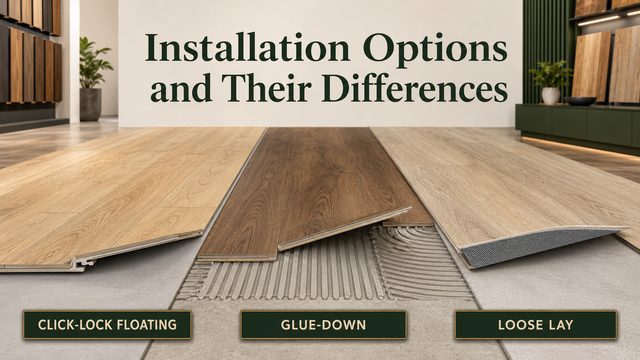
Floating click-lock flooring is popular because it can be installed without spreading adhesive across the entire room. It can also be removed more easily than glued flooring. However, expansion space must be left around walls and fixed objects. Cabinets should not be installed on top of many floating floors unless the manufacturer permits it. Glue-down LVP is often selected for large commercial areas, rolling traffic, or spaces where floor movement must be limited. It can also make individual plank replacement more direct. Nevertheless, the adhesive process demands careful preparation and accurate placement.
Professional installation may be worth considering when a property has uneven floors, moisture concerns, complicated doorways, several connecting rooms, or fixed equipment. Installation quality can affect both the appearance of the floor and the validity of its warranty.
Cleaning and Maintenance Requirements
Routine LVP maintenance is usually simple. Loose dirt should be removed regularly because grit can scratch the protective surface. Spills should also be cleaned promptly, even when the planks are waterproof.
A damp mop and a manufacturer-approved cleaner are generally suitable. Excess water, abrasive pads, harsh solvents, waxes, and steam mops may damage some products. Therefore, cleaning instructions should be reviewed before using a new product. Protective pads under furniture can help prevent scratches and dents. Entry mats can collect outdoor dirt, but rubber-backed mats should only be used when approved because certain materials may discolor vinyl.
Pets’ nails should be kept trimmed, and heavy appliances should be moved with protective boards or suitable equipment. These small steps can help the surface keep its original appearance longer.
Understanding LVP Flooring Prices
The cost of luxury vinyl plank includes more than the advertised price per square foot. Buyers may also need to pay for delivery, old-floor removal, subfloor repairs, adhesive, trim, transitions, underlayment, installation, and waste material. Rooms with many corners or unusual layouts may create more cutting waste. It is common to purchase additional flooring for mistakes, damaged planks, and possible future repairs. However, the correct amount depends on the room and installation pattern.
A discounted product can provide good value, especially when enough matching material is available for the full project. Still, shoppers considering sale-priced luxury vinyl planks should confirm that the material is not a discontinued line with insufficient stock. All cartons should also have compatible product and batch information. Noticeable shade differences may appear when material comes from separate production runs.
How to Compare LVP Products
The right LVP should be selected according to the room rather than appearance alone. A quiet bedroom, busy kitchen, rental apartment, and retail area place different demands on a floor. Compare the total plank thickness, wear layer, core type, edge system, surface texture, water-resistance statement, approved installation areas, and warranty terms. The warranty should be read carefully because exclusions may apply to moisture below the floor, poor preparation, incorrect cleaning, sunlight, rolling loads, or installation mistakes.
It is also helpful to take samples home. Flooring can look different under showroom lights than it does beside your cabinets and walls. Examine samples during the morning, afternoon, and evening before making the final decision. Sams Flooring can help customers in Dalton, Georgia, compare LVP colors, construction types, and installation options. However, every buyer should still review the product specifications and determine whether the flooring suits the conditions of the intended room.
Is Luxury Vinyl Plank a Good Choice?
LVP can be a strong choice for households that want a wood-style floor with easier maintenance and better resistance to everyday spills. It works especially well when the selected product matches the traffic level and the subfloor receives proper preparation. It may not be the best option for homeowners who want a natural material that can be refinished several times. It may also be unsuitable in spaces with unresolved moisture problems, extreme heat, unstable subfloors, or conditions excluded by the manufacturer.
A trustworthy flooring retailer should explain both the benefits and limitations of each product. Buyers should not rely on color, price, or a waterproof label alone.
Final Thoughts
Luxury vinyl plank flooring combines design variety, moisture resistance, easy cleaning, and practical durability. It can provide the appearance of wood in rooms where natural hardwood may require more care. However, product quality and installation methods make a significant difference. Wear-layer thickness, core construction, locking strength, subfloor preparation, and warranty terms should all be reviewed before purchase.
When shopping during an LVP flooring promotion, compare the complete project cost instead of focusing only on the plank price. Include preparation, installation materials, trim, labor, and future maintenance in the decision.