
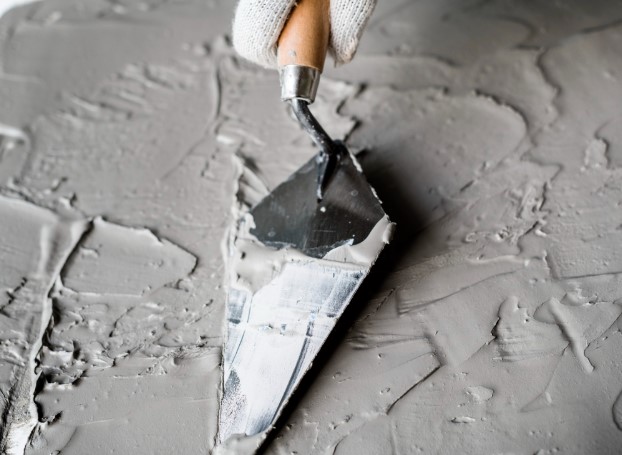

Modern building projects really need solid, smooth, and long-lasting floor surfaces. Contractors usually seek materials that reduce time, improve the overall finish, and make the whole process easier to handle in practice. One common flooring option that gets picked a lot now is liquid screed.
Basically, liquid screed is a smooth, flowing mix poured over a floor, forming a level base before the final floor covering is installed. Many builders choose liquid screed because it offers clear advantages for both residential and commercial work.
1. Creates Smooth and Even Floors
A major reason liquid screed is so popular is that it helps create level, even floors. If the surface is uneven, it can cause headaches later, especially during tile, carpet, wooden, or vinyl flooring installations. The liquid screed kind of spreads out across the area and settles into tiny voids on its own, no fuss.
After it sets, the result is a neat, professional-looking surface. Smooth flooring also improves the appearance of homes and workplaces once everything is finished. People tend to favor floor systems that deliver better end results with less effort and, honestly, fewer returns.
2. Faster Installation Process
Liquid screed also goes down faster than older screeding ways. Because it arrives in a pourable form, workers can cover bigger areas pretty quickly. That means both time and labor costs can shrink during the build. This is especially handy for large commercial projects, where crews need to meet tight schedules.
Even residential jobs benefit, since homeowners can typically move in sooner. Faster installation also helps contractors stay productive and keep the whole project moving more cleanly.
3. Works Well with Underfloor Heating
Many modern buildings use underfloor heating systems for a more comfortable feel, and honestly, it makes sense. Liquid screed works quite well with them because it flows easily around the heating pipes. That way, heat spreads across the floor surface more uniformly and without too much fuss.
When heat distribution is better, rooms tend to stay warm and pleasant for longer, while you can also use less energy. Because of this, builders often recommend liquid screed for homes and offices with modern heating systems, as it supports stronger heating performance and better energy efficiency.
4. Strong and Durable Flooring Solution
Liquid screed is also picked because it creates a floor base that feels solid and lasts. Floors in residences, retail spaces, offices, and public buildings experience heavy footfall every day. In practice, liquid screed forms a stable foundation that resists cracking and general wear over time.
This durable finish can reduce future repair needs and help buildings remain in good condition for many years. Materials that endure still matter a lot to builders and property owners who want lasting results.
5. Reduces Construction Problems
Older flooring methods sometimes require more manual labor and can result in uneven sections or small air pockets that you only notice later. Liquid screed helps reduce many of these annoyances because it spreads evenly across the entire floor.
That makes it easier for builders to avoid mistakes and improves overall construction quality. Also, better leveling and floor preparation can make it simpler to fit the final floor coverings later in the project.