

History of Asbestos Use in Roofing Materials
Asbestos, a naturally occurring mineral, was widely incorporated into building materials throughout much of the 20th century. Its remarkable properties, including resistance to heat, fire, and corrosion, made it an attractive additive for roofing products. Manufacturers valued asbestos for its ability to enhance the durability and longevity of shingles and other roofing components. By the early 1900s, asbestos cement shingles were already gaining traction in the market, prized for their fireproof qualities and advertised lifespans of up to 30 years. This popularity surged, with production scaling up significantly by the 1910s and expanding internationally. By the 1920s, American companies began adding pigments, offering a wider range of colors and further boosting the appeal of asbestos shingles, making them a common feature in home construction for decades.
Common Types of Asbestos Roof Shingles
While visual identification can be tricky, several types of roofing materials commonly contained asbestos. The most prevalent were asbestos-cement shingles, often used on older homes, sheds, and barns. These typically have a rigid, dense texture and a grayish appearance, though they could be colored. Asphalt shingles also frequently incorporated asbestos fibers, particularly in the backing felt and the asphaltic compounds used for waterproofing and binding. These fibers were added to improve strength and heat resistance. Bituminous felts and mastics used in flat roofing systems could also contain asbestos. Homes built or re-roofed between the 1920s and the mid-1980s are most likely to have asbestos-containing roofing materials.
How to Visually Identify Suspect Roofing
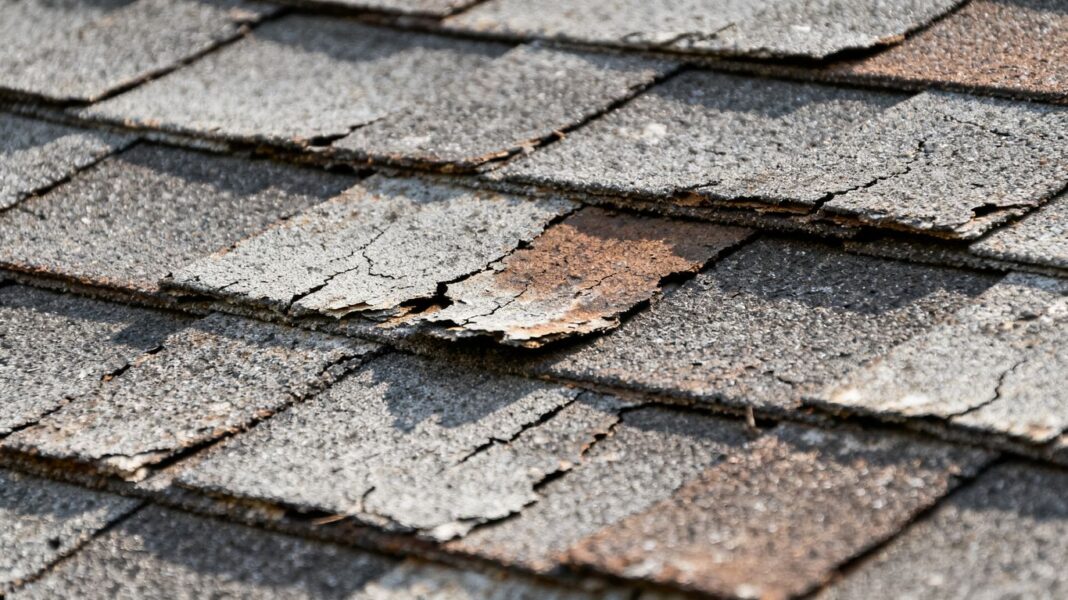
Pinpointing asbestos shingles solely through visual inspection is not definitive, but certain indicators can raise suspicion. The age of your home is a primary factor; if it was constructed or had its roof installed between the 1920s and the mid-1980s, there’s a higher probability of asbestos presence. Asbestos-cement shingles often have a distinct, somewhat weathered look and can appear more brittle than modern alternatives. They might show signs of cracking or deterioration. While they can mimic the appearance of asphalt shingles, they often possess a denser, more compact texture. Asphalt-based roofing products from that era may also contain asbestos, especially in the underlayment or binding agents. However, because visual cues can be misleading, professional testing is the only reliable method to confirm asbestos. If you suspect your roof contains asbestos, it is best to avoid disturbing it and consult with a professional. Asbestos roofs, when intact and undisturbed, present minimal immediate danger, but visual inspection alone cannot confirm their composition.
Health Risks Linked to Asbestos in Old Roof Shingles
Medical Conditions Caused by Asbestos Exposure
When asbestos-containing materials, like older roof shingles, are disturbed, microscopic fibers can become airborne. Inhaling these fibers is the primary concern for health issues. Asbestos exposure can lead to serious respiratory diseases. These conditions often take many years, even decades, to develop after exposure has occurred. The risk is not typically from intact, undisturbed shingles, but rather from activities that break them apart.
How Fibers Become Airborne During Tear-Off
Roof tear-off projects, especially those involving older materials, present a significant risk for fiber release. Activities such as breaking, cutting, or prying off shingles can easily dislodge asbestos fibers. The process of removing old roofing materials can stir up settled dust and debris, making the air potentially hazardous. This is why proper procedures are so important when dealing with materials that might contain asbestos. The greater the exposure to asbestos, the higher the potential for adverse health effects [c4e8].
Long-Term Health Implications for Homeowners and Workers
The long-term health implications of inhaling asbestos fibers are severe and can include several serious conditions:
- Mesothelioma: A rare and aggressive cancer that affects the lining of the lungs, abdomen, or heart.
- Lung Cancer: Asbestos exposure significantly increases the risk of developing lung cancer, especially for smokers.
- Asbestosis: A chronic lung disease characterized by scarring of lung tissue, leading to breathing difficulties.
These conditions have a long latency period, meaning symptoms may not appear for 10 to 40 years or more after initial exposure. This underscores the importance of minimizing exposure during any roofing work on older homes. Asbestos generally poses a low health risk unless its fibers are released into the air and inhaled [edb9].
Factors That Increase Risk During Roof Tear-Offs
Why Removal Is More Hazardous Than Installation
When it comes to old roof shingles, the act of removing them, often called a tear-off, presents a higher risk of asbestos exposure compared to when those same materials were first installed. This is largely because the roofing materials themselves have aged. Over time, exposure to the elements can make them brittle and more prone to breaking apart. This increased fragility means that disturbing them during removal can release significantly more asbestos fibers into the air than during the original installation process.
Deterioration and Fiber Release in Aging Shingles
Asbestos-containing roofing products were built to last, but “last” doesn’t mean “indefinitely.” Decades of sun, rain, wind, and temperature fluctuations take their toll. This weathering process can compromise the integrity of the shingles. When roofers cut, break, or even just walk on these aged shingles during a tear-off, the material can crumble, turning into dust that carries asbestos fibers. This is especially true for materials that were once solid but have become chalky or powdery over time.
Role of Weathering and Material Brittleness
Several factors contribute to the heightened danger during a tear-off:
- Brittleness: Old shingles, particularly asbestos-cement types, become very brittle. They don’t bend; they snap. This snapping action readily breaks apart the asbestos-containing matrix, releasing fibers.
- Friability: As materials degrade, they become more friable, meaning they crumble easily. Friable asbestos materials are the most dangerous because they can release fibers with minimal disturbance.
- Mechanical Action: Tear-offs often involve more forceful actions than installation. Prying up old shingles, breaking them to remove them, or even the impact of tools can generate a cloud of airborne fibers. This is a stark contrast to the more controlled cutting and nailing during installation. For anyone considering a roof replacement, understanding these risks is key to making informed decisions about asbestos roof removal.
Regulations and Legal Obligations for Asbestos Roofing
When dealing with old roof shingles, understanding the regulations and legal duties is pretty important. It’s not just about getting the job done; it’s about doing it safely and legally. Both federal and state agencies have rules in place to manage asbestos, and ignoring them can lead to some serious trouble.
OSHA and EPA Guidance on Asbestos Roofing
The Occupational Safety and Health Administration (OSHA) and the Environmental Protection Agency (EPA) are the main players here. OSHA focuses on worker safety, setting standards for how asbestos should be handled to protect people on the job. The EPA, on the other hand, is more concerned with environmental release and public health. They have rules like the National Emission Standards for Hazardous Air Pollutants (NESHAP) that specifically target asbestos emissions during building activities. These agencies work together to create a framework for managing asbestos risks. For anyone involved in roofing, especially tear-offs, knowing these guidelines is a must. You can find more details on EPA’s approach to asbestos regulations here.
Requirements for Testing Before Roof Replacement
Before you even think about tearing off an old roof, especially on buildings constructed before the late 1970s, testing for asbestos is often required. This isn’t just a suggestion; it’s a legal step. If your roof was put on during the peak years of asbestos use (roughly the 1920s through the 1970s), there’s a good chance it contains asbestos. If documentation of prior testing isn’t available, you’ll need to have materials tested by a certified lab. This testing helps determine:
- The presence and type of asbestos fibers.
- The condition of the roofing material.
- The potential for fiber release during removal.
This information is vital for planning the safest and most compliant removal process. Ignoring this step can lead to significant legal and financial penalties, not to mention health risks for everyone involved. You can find general information about asbestos regulations from both agencies.
Legal Consequences of Non-Compliance
Failing to follow asbestos regulations can have severe consequences. For contractors, this can mean hefty fines from OSHA or the EPA, suspension or loss of licenses, and even legal action if workers or the public are exposed. Homeowners might also face penalties if they direct or allow non-compliant work to be done on their property. Beyond fines, there’s the immense cost of remediation if a violation is discovered, and the long-term health implications for anyone exposed are immeasurable. It’s always better to be safe and compliant from the start than to deal with the fallout of non-compliance later.
Safe Steps to Take Before Starting a Tear-Off
Before any work begins on an older roof, especially if a tear-off is planned, taking specific precautions is highly recommended. This is because many older roofing materials, particularly those installed before the 1980s, may contain asbestos. Disturbing these materials without proper knowledge and procedures can release harmful fibers into the air. The only way to know for sure if asbestos is present is through professional testing.
Importance of Asbestos Inspection and Testing
If your home was built before the 1980s, it is wise to assume that roofing materials might contain asbestos. Visual identification alone is not reliable for confirming asbestos. Therefore, the first and most critical step is to arrange for a professional inspection and testing. A certified asbestos inspector will take samples of the roofing material and send them to a laboratory for analysis. This testing provides definitive results about the presence and type of asbestos, if any. This information is vital for planning the next steps and understanding the potential risks involved.
Evaluating the Condition and Severity of Hazards
Once testing confirms the presence of asbestos, the next step involves assessing the condition of the roofing material. Not all asbestos-containing materials pose the same level of risk. An inspector can help evaluate whether the material is:
- Friable: This means the material can be easily crumbled by hand, indicating a higher risk of fiber release.
- Non-friable: This material is more solid and less likely to release fibers under normal conditions.
The age and condition of the shingles are also important factors. Aging shingles can become brittle, increasing the likelihood of fiber release during disturbance. Understanding the material’s condition helps determine the severity of the hazard and guides the choice of appropriate management strategies. If the material is intact and non-friable, it might be possible to manage it safely without immediate removal, perhaps through encapsulation [9f8a].
Consulting Certified Asbestos Abatement Professionals
If asbestos is confirmed and the material is in a condition that poses a risk, or if a tear-off is unavoidable, it is imperative to consult with certified asbestos abatement professionals. These professionals have the specialized training, equipment, and knowledge to handle asbestos-containing materials safely and in compliance with regulations. They can advise on the best course of action, whether it’s removal, encapsulation, or enclosure. Attempting to remove asbestos-containing materials without professional help can lead to significant health risks for occupants and workers, as well as potential legal penalties. Never attempt to remove or disturb suspect materials yourself. [9c36]
Professional Removal Versus DIY: What You Need to Know
When it comes to dealing with asbestos in old roof shingles, the question of whether to tackle the job yourself or hire professionals is a significant one. While the idea of saving money by doing it yourself might be tempting, the reality of asbestos removal is far more complex and dangerous than many realize.
Dangers of Attempting DIY Asbestos Shingle Removal
Attempting to remove asbestos-containing shingles on your own is strongly discouraged. This is not a typical home improvement project; it requires specialized knowledge, equipment, and strict safety protocols. Without these, you risk releasing microscopic asbestos fibers into the air. Once airborne, these fibers can be inhaled, leading to serious, long-term health issues such as asbestosis, lung cancer, and mesothelioma. The health consequences may not appear for many years, but the damage can be irreversible. Furthermore, improper handling and disposal of asbestos materials can lead to significant legal penalties and fines, as regulations are in place to protect public health.
Benefits of Hiring Licensed Asbestos Contractors
Licensed asbestos abatement professionals are trained and equipped to handle these hazardous materials safely and effectively. They understand the risks involved and know how to minimize fiber release during the removal process. Their services typically include:
- Containment: Setting up specialized barriers and negative air pressure systems to prevent fibers from spreading.
- Safe Removal: Using specific techniques and tools to detach shingles without causing excessive breakage.
- Proper Disposal: Transporting and disposing of asbestos waste at approved facilities according to strict regulations.
Hiring certified professionals not only protects your health and the health of your family and neighbors but also ensures compliance with all legal requirements. While the cost of professional removal can be substantial, it is an investment in safety and peace of mind. For instance, the cost of asbestos abatement in Connecticut for roofing material removal and disposal can range from $5,000 to $10,000, in addition to the cost of new roofing [3bc2].
Proper Disposal and Waste Management Requirements
Disposal of asbestos-containing materials is heavily regulated. Professionals are aware of the specific procedures required for packaging, transporting, and disposing of asbestos waste. This usually involves double-bagging materials in labeled, heavy-duty bags and transporting them to designated landfills equipped to handle hazardous waste. Homeowners attempting DIY removal will find it difficult, if not impossible, to meet these stringent disposal requirements. Failure to comply can result in severe penalties. Therefore, leaving the entire process, from removal to disposal, to a licensed asbestos abatement contractor is the safest and most responsible course of action.
Managing and Monitoring Asbestos Roofs Not Ready for Removal
When an asbestos roof is identified, but immediate removal isn’t feasible or necessary, several management strategies can be employed to mitigate risks. The primary goal is to prevent asbestos fibers from becoming airborne. This approach is particularly relevant for roofs that are still in good condition and where the asbestos-containing material is non-friable, meaning it’s solid and unlikely to crumble.
Encapsulation as a Temporary Solution
Encapsulation involves applying a specialized sealant or coating over the asbestos-containing material. This process effectively binds the asbestos fibers together, creating a protective barrier that significantly reduces the likelihood of fiber release into the environment. It’s a less disruptive and often more cost-effective method than full removal, serving as a viable interim measure. However, it’s important to understand that encapsulation does not eliminate the asbestos; it merely contains it. Regular inspections are still needed to ensure the integrity of the sealant.
When Monitoring Is Sufficient
In cases where the asbestos roofing material is stable, undisturbed, and shows no signs of deterioration, ongoing monitoring might be deemed sufficient. This involves periodic visual inspections by qualified professionals to check for any signs of damage, weathering, or potential fiber release. If the roof remains intact and the material is not breaking down, the risk of exposure can be minimal. This approach requires a commitment to regular assessments and a clear plan for action should the roof’s condition change. For homeowners unsure about the condition of their roof, seeking an asbestos inspection is a good first step [2a91].
Planning for Future Roof Replacement
Even with effective management strategies in place, asbestos roofs will eventually require replacement. Therefore, a proactive plan for future removal is advisable. This includes:
- Budgeting: Setting aside funds for professional asbestos abatement and new roofing installation.
- Timeline: Establishing a realistic timeframe for when the replacement will occur, considering the roof’s current condition and expected lifespan.
- Professional Consultation: Maintaining contact with certified asbestos abatement professionals to stay informed about regulatory changes and best practices for eventual removal.
- Documentation: Keeping records of all inspections, monitoring reports, and management strategies implemented. This information is vital for future contractors and can be important for disclosure if the property is sold.